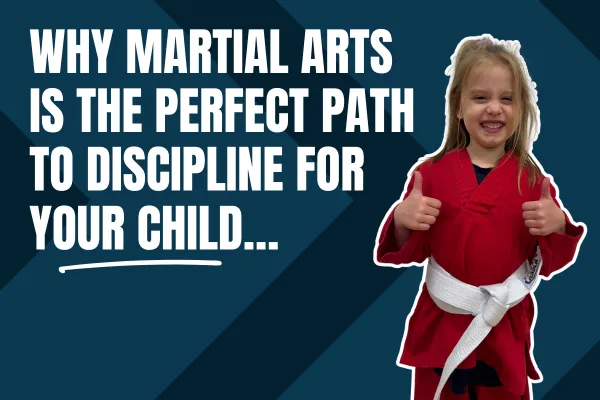
Why Martial Arts Is the Perfect Path to Discipline for Your Child
Why Martial Arts Is the Perfect Path to Discipline for Your Child
As a parent, you're always looking for ways to help your child grow into a confident, well-rounded individual. One of the most essential traits that contribute to a child's success, both academically and personally, is discipline. But in today's world, filled with distractions and instant gratification, instilling discipline can be challenging. This is where martial arts become a powerful tool for personal development.
What Is Discipline, and Why Does It Matter?
Discipline is not about rigid rules or punishment—it's about self-control, focus, perseverance, and understanding the value of hard work. For children, discipline creates a foundation that shapes how they approach challenges, handle emotions, and stay committed to their goals. A disciplined child is one who can focus on homework, set personal goals, practice patience, and handle difficult situations with grace.
How Martial Arts Develops Discipline
Martial arts is more than just kicking, punching, and learning self-defense; it’s a holistic activity that nurtures character development, including discipline. Here are a few ways martial arts helps children develop this critical skill:
1. Structured Environment
Martial arts classes provide a structured and organised environment where children are taught to follow instructions carefully and respect their teachers and peers. From the moment they bow onto the mat, students know that focus and respect are expected. Repetition, routine, and the setting of clear expectations create a sense of order that encourages children to develop self-discipline over time.
2. Goal Setting and Achievement
Martial arts is built on a system of progression—students must master techniques and skills before advancing to the next belt level. This process teaches children the importance of working consistently toward a goal. They learn that success is not immediate but achieved through dedication, hard work, and incremental progress. The sense of accomplishment they feel when they earn a new belt reinforces their desire to stay disciplined in all areas of life.
3. Focus and Concentration
In today’s world, attention spans are short, and distractions are many. Martial arts requires children to focus on specific tasks, whether it's learning a new move or sparring with a partner. In the process, they develop the ability to block out distractions and give their full attention to the moment. This increased ability to concentrate transfers over to schoolwork, chores, and other daily tasks.
4. Respect for Authority
Respect is a cornerstone of all martial arts disciplines. Students are taught to respect their instructors, peers, and the practice itself. Bowing before class, addressing instructors with "sir" or "ma'am," and demonstrating good sportsmanship all instil a sense of respect for authority and tradition. This respect translates into a more cooperative and respectful attitude at home and school.
5. Dealing with Challenges
Martial arts teaches children that challenges are a part of life, and facing them with the right mindset is essential. Whether it's mastering a difficult technique, sparring with a more skilled partner, or handling a defeat in a competition, martial arts teaches resilience. The practice helps children understand that setbacks aren’t failures but opportunities to improve. This builds mental toughness and reinforces the need for self-discipline when faced with challenges.
6. Physical and Mental Control
Martial arts foster control over both body and mind. Children learn how to regulate their movements, balance their bodies, and react calmly under pressure. The mental discipline needed to stay calm and focused during sparring or a challenging drill is something that will benefit them in many other areas of their lives.
Discipline Beyond the Dojang
The discipline that children learn in martial arts doesn’t stay on the mat—it extends to all areas of their lives. Many parents find that their child’s improved focus and work ethic start to manifest in school, at home, and even in relationships with friends and family.
Children who practise martial arts often:
- Improve in academics:
They learn to approach schoolwork with the same level of focus and effort that they apply in their training.
- Take on responsibilities:
Martial arts students understand the importance of personal accountability and are often more willing to help out around the house or take ownership of their actions.
- Manage time better:
Balancing school, chores, and martial arts requires time management, which helps them prioritise and stay organised.
- Show empathy and leadership:
As they progress in martial arts, children often take on mentorship roles with younger or newer students, learning the importance of helping others and being a positive role model.
Why Martial Arts Over Other Activities?
While team sports and other extracurriculars can also teach important life skills, martial arts is unique in its focus on personal growth and discipline. Martial arts emphasises individual effort while fostering a sense of community and mutual respect. Every child progresses at their own pace, and the lessons learned in martial arts can be applied to every aspect of life.
In addition, martial arts teaches children self-defence, empowering them with the confidence to protect themselves if needed. This confidence often leads to better behaviour, fewer outbursts, and a more controlled approach to conflicts.
Conclusion
Martial arts is more than a physical activity; it’s a life skill that shapes character and instils discipline. If you want your child to develop the focus, perseverance, and respect needed to succeed in life, martial arts is the perfect vehicle to help them achieve those goals.
By enrolling your child in a martial arts program, you're not just signing them up for a sport; you're giving them a tool that will serve them throughout their entire lives. The path to discipline is one that benefits children in countless ways, helping them become responsible, respectful, and resilient individuals.
